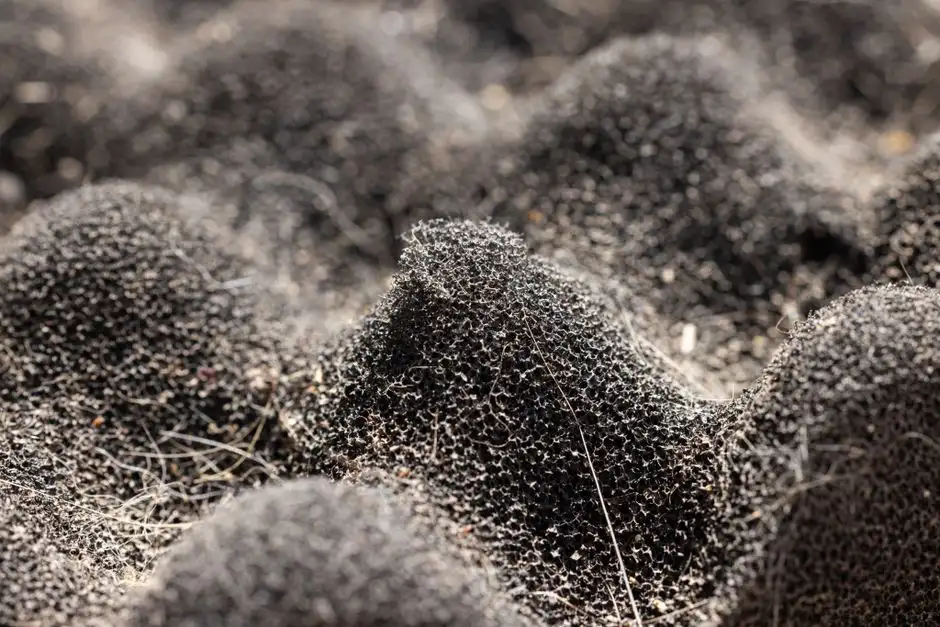
Specialist open cell foam extraction across Greater London
Open Cell Spray Foam Removal in London done clean, fast and mortgage-ready
Open Cell Spray Foam Removal in London clears soft, sponge-like foam from lofts, rafters and roof decks so your timber can dry, your surveyor can sign off and your sale can move. We handle open cell foam extraction London Greater homeowners, landlords and lenders ask for every week, from Victorian terraces in Islington to 1930s semis in Bromley. Most lofts come out in a single day.
Live phone supportUpfront optionsBacked workmanship
What's included
What our Open Cell Spray Foam Removal includes
Every strip includes the survey, the removal itself, full clean-down and the written report. We do not charge extra for the documentation, and we do not leave the loft until the rafters are clean and dry. Anything outside the standard scope, such as timber replacement or new insulation, is quoted separately and only after you have seen it.
Full loft survey
Foam type identification, depth measurement, moisture readings on every accessible rafter and thermal imaging of the roof deck. You get a fixed written price the same day, plus a straight answer on whether removal is genuinely necessary or whether the foam can stay.
Mechanical foam stripping
Open cell foam is cut away in sections using spray foam cutting tools, an oscillating multi-tool and a reciprocating saw where needed. We work to the timber, not through it, and we photograph the rafters as they are exposed so you can see the condition underneath.
Dust control and clean-down
Loft hatch sealed, floors sheeted, dust extraction unit running throughout. Every rafter is vacuumed and wiped to remove adhesive residue, and the loft is swept before we leave. You should be able to walk up there the same evening without a mask.
Ventilation check
We clear the eaves, confirm the 50mm air path from soffit to ridge is open, and check the vapour barrier and any existing insulation batts. Where ventilation has been permanently blocked by the foam, we tell you what needs altering before new insulation goes in.
Moisture and timber report
Dated before-and-after moisture readings on the rafters, plus notes on any timber that needs treatment. If we find roof rot from trapped moisture, you get photographs and a clear recommendation, so you can decide on repairs with evidence rather than guesswork.
Lender documentation pack
A written summary confirming the open cell foam has been removed, ventilation restored and the loft left in a condition suitable for inspection. Supplied as a PDF with dated photographs, ready to send to your lender, solicitor or buyer's surveyor.
Service overview
What Open Cell Spray Foam Removal in London actually involves
Open Cell Spray Foam Removal in London is the controlled stripping of low-density polyurethane foam from roof timbers, rafters and loft decks, followed by cleaning and drying of the substrate. Open cell foam is soft and vapour-permeable, but it still traps moisture against timber, hides roof rot and blocks ventilation paths. We cut it back with spray foam cutting tools and an oscillating multi-tool, bag it, then vacuum every rafter with a dust extraction unit so no isocyanate dust or adhesive residue is left behind for your next trade.
London homes need this work for three reasons. First, mortgage refusal due to spray foam is now routine on open cell lofts, and lenders want a report showing the foam is gone and the roof structure is sound. Second, loft condensation and damp and mould growth appear within two winters when foam seals a cold roof deck. Third, overheating in summer gets worse, not better, because open cell foam slows heat escape at night. If you have been searching open cell spray foam removal in London near me, we survey, strip and document the loft in one visit.

How we workWe verify the cause, compare realistic options, and confirm the repair before we leave.
The service timeline
How our open cell foam removal process runs
The process flexes to the condition, but these checkpoints keep decisions clear.
Survey and quote
We inspect the loft, measure foam depth, check rafter moisture with a moisture meter and photograph the roof deck with a thermal imaging camera. You get a fixed written price the same day, plus a straight answer on whether the foam is open cell or closed cell, because the two strip differently and price differently.
Loft protection
We lay dust sheets, seal the loft hatch and set up a dust extraction unit so foam dust does not travel into bedrooms. Our technicians wear a PPE respirator and full coveralls because cured polyurethane dust and any residual isocyanate are not things you want in your lungs. This stage takes 30-45 minutes.
Foam stripping
We cut the open cell spray foam into manageable sections with spray foam cutting tools, an oscillating multi-tool and, on thicker sections, a reciprocating saw. Foam comes off the rafters and deck in strips rather than being gouged, which protects the timber underneath. A typical 50 square metre loft takes four to six hours.
Cleaning and drying
Every rafter is vacuumed, scraped and wiped to remove adhesive residue, then we check moisture readings again. Where we find damp or early roof rot from trapped moisture, we flag it and can apply timber treatments. The loft is left dry, swept and ready for a surveyor to inspect the same week.
Report and handover
You receive dated before-and-after photographs, moisture readings and a written summary confirming the open cell foam has been removed and ventilation restored. We walk you through it in the loft so you can see the rafters yourself. Most lenders accept this pack without a second visit.
Tools & methods
Tools and methods we use on every strip
Purpose-built equipment, used by trained technicians, so the job is done accurately the first time.
Oscillating multi-tool
The workhorse for cutting open cell foam away from rafters and around pipework, wiring and trusses. Its controlled oscillation cuts foam without gouging the timber underneath, which matters when the rafters are already damp.
Reciprocating saw
Used on thicker foam sections and boarded roof decks where a multi-tool would take too long. Blades are swapped frequently so the cut stays clean and the deck is not scored.
Dust extraction unit
Runs continuously during stripping to capture foam dust and adhesive residue at source. This is what keeps the rest of the house clean and lets families stay in the property while we work.
Thermal imaging camera
Maps foam depth, cold bridging and damp zones across the roof deck before we cut. It tells us where moisture is sitting behind the foam, so we know which timbers to check first.
Moisture meter
Takes before-and-after readings on every accessible rafter. Anything above 20% moisture content gets flagged for timber treatments, and the readings form part of the report your lender sees.
PPE respirator
Worn by every technician for the full strip. Cured polyurethane dust and any residual isocyanate are not safe to breathe, and we treat every loft as if the foam is still reactive until it is bagged.
Dry ice blasting machine
Reserved for delicate substrates such as brickwork, metal decking and heritage roof structures where cutting tools would cause damage. It lifts thin foam residue without water or chemicals.
Use cases
When London clients call us for foam removal
These examples show how the service framework adapts rather than forcing every call through one repair.

Croydon rental lofts dried out
Three rental lofts in a 1930s semi had open cell foam and damp patches appearing on the ceilings below. The landlord had already lost one tenant and was facing a second void if the damp was not fixed before the next tenancy started. → All three lofts were stripped over two days, the vapour barrier was replaced and moisture readings were taken before and after. Ceiling damp cleared within three weeks, the next tenancy was signed and no damp has returned through two winters.
Barking warehouse deck documented for insurers
A 900 square metre warehouse roof deck had been foam-sprayed years earlier and the insurer had asked for evidence of condition. Operations could not stop, and the building needed to stay fully usable throughout any inspection or removal work. → We phased the strip over four weekends, removing and bagging all foam to licensed waste facilities. The full deck was documented with dated photographs and moisture readings, and the insurer accepted the condition report without a follow-up visit.
Problems we solve
Problems our London open cell foam removal solves
Open cell foam is rarely a problem on the day it is sprayed. It becomes one two or three winters later, usually at the worst possible moment, when a surveyor, a lender or a damp patch forces the issue. These are the four situations we deal with most often.
Mortgage refused because of spray foam in the loft
We strip the foam, expose and photograph every rafter, take moisture readings and issue a report in the format lenders accept. Most clients see their offer reinstated without a second inspection, and we can speak to the valuer directly if questions come back.
Loft condensation and mould appearing each winter
We remove the open cell foam, clear the eaves and restore the ventilation path so moisture can escape. Readings are taken before and after, and we tell you whether the vapour barrier needs replacing. Most lofts are dry within one heating season.
Roof timbers going soft from trapped moisture
Our thermal imaging camera and moisture meter map wet zones before we cut, so we know which timbers are sound and which need treatment. We strip the foam, apply timber treatments where needed and document the condition of every rafter for your records.
Difficulty selling a property with foam in the roof
We provide a dated removal report with photographs and moisture readings that satisfies buyers, agents and solicitors. For open cell insulation removal in London Greater, that documentation is often the difference between a stalled sale and a completed one.
Pricing process
What Open Cell Spray Foam Removal costs in London
£1,800 - £3,400 for a standard domestic loft; £35 - £55 per square metre on larger decks
Loft size and foam depth
The single biggest driver. A 40 square metre loft with 100mm of foam is a one-day job; a 90 square metre deck with 150mm takes two days and more waste removal. We measure depth at survey so the quote reflects the actual volume, not a guess.
Access and hatch size
A standard bedroom hatch is straightforward. Restricted access, low headroom, or a loft reached only through a converted room adds time and protection work. We tell you at survey whether access will affect the price.
Open cell versus closed cell
Closed cell foam is denser and bonded harder, so it needs different cutting tools and more time. If your loft has a mix of both, we price each area separately rather than applying a single rate across the whole deck.
How much does open cell spray foam removal cost in London?
Typical 2026 pricing in London runs £1,800 to £3,400 for a standard 50 square metre loft, and £35 to £55 per square metre on larger roof decks. Access, foam depth, whether the deck is boarded and any timber repairs push the figure up. Warehouse and commercial roofs are quoted per project. The survey and fixed quote are free.
Do you offer open cell foam extraction in London Greater?
Yes. We cover all 32 London boroughs plus the City, from Enfield and Barnet in the north to Croydon, Bromley and Bexley in the south, and out to Hillingdon and Havering. Most postcodes get a same-day survey and a strip within five to ten working days. Call 02080885347 with your postcode and we will confirm the slot.
Is open cell spray foam removal covered by insurance in London?
Buildings insurance rarely covers removal itself, because the foam was installed deliberately rather than damaged by an insured event. However, if damp or roof rot from trapped moisture has caused structural damage, that part may be claimable. We provide dated photographs and moisture readings you can submit, and we can talk to your loss adjuster directly.
How long does open cell spray foam removal take in London?
A standard domestic loft takes one working day, usually six to nine hours on site. Larger lofts, boarded decks or heavy overspray run to two days. Commercial and warehouse roofs are scheduled in phases so the building stays usable. We confirm the exact duration at survey and hold to it.
Related services
Other spray foam and insulation services we run

Spray Foam Removal near me
The umbrella service covering every foam type. If you are not sure whether your loft has open cell or closed cell foam, this is the survey to book. We identify the system, measure depth and quote the correct removal method for your London property.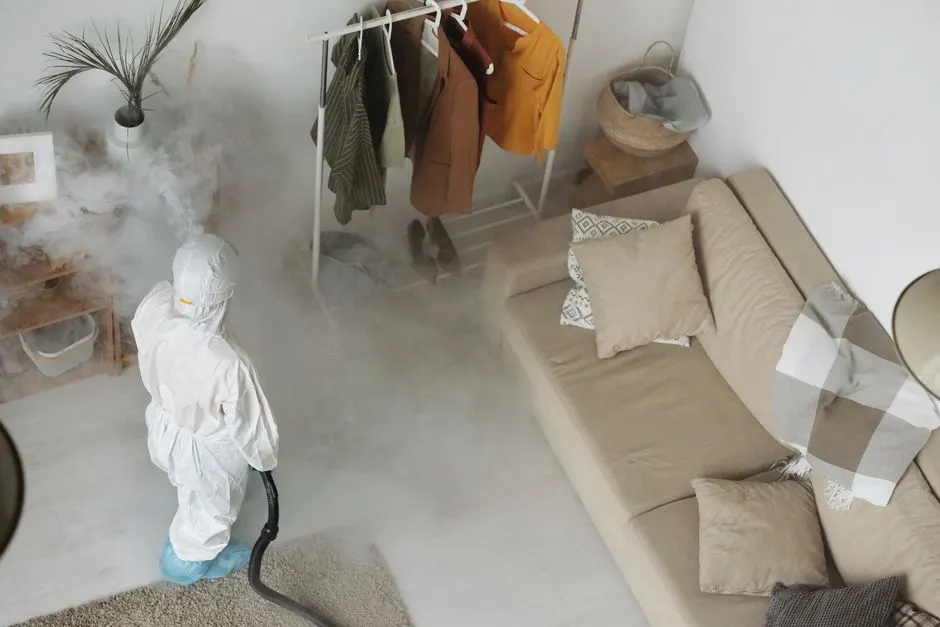
Same day Spray Foam Removal
For completion deadlines, failed valuations and urgent sales, we hold same-day survey slots across most London postcodes. Call before 10am and we can often have a technician in the loft the same afternoon with a fixed price by evening.
24/7 Spray Foam Removal
Our out-of-hours line on 02080885347 handles emergencies such as a sagging loft ceiling, water ingress through a foam-blocked deck, or a lender deadline that lands on a weekend. A duty coordinator answers and books the next available slot.Ready when you are
Book Open Cell Spray Foam Removal in London this week
Free survey, fixed written price, and a completion report your lender will accept. We work across Greater London seven days a week, with same-day survey slots and a 24/7 line for urgent deadlines. Call 02080885347 and tell us your postcode.

Talk with the local team
Request Open Cell Spray Foam Removal
Call us on 020 8088 5347 or email info@uksprayfoamauthority.com and we will book your free survey. We answer the phone from 8am to 6pm Monday to Friday, and our 24/7 line covers emergencies. Most London surveys happen within 48 hours of your call, and you get a fixed written price the same day.