Certified extraction, timber-safe methods, clear fixed pricing
Loft Spray Foam Removal in London done right, first time
Loft Spray Foam Removal in London is what we do every week across Greater London. If spray foam is blocking your mortgage, trapping damp in the rafters or pushing your loft temperature past 35C in summer, we extract it cleanly and leave the timber sound. We have been removing open cell and closed cell foam since 2022, working from Croydon to Enfield. Same-day assessments available.
Live phone supportUpfront optionsBacked workmanship
What's included
What our Loft Spray Foam Removal includes
Every loft spray foam removal job we take on in London includes the survey, the extraction, the timber check and the final report as standard. What changes is the scale of the foam and the access. Anything beyond that, such as new insulation or roof repairs, we price separately and only after you have seen the findings.
Full loft survey
We measure foam coverage in square metres, identify whether it is open cell or closed cell, and log timber moisture readings with a moisture meter. You get photos and a thermal imaging camera scan of any cold spots before we quote.
Mechanical foam extraction
Foam is cut away from rafters and trusses using oscillating multi-tools, reciprocating saws and spray foam cutting tools, then vacuumed out through an industrial vacuum and dust extraction unit. Adhesive residue is removed with a dry ice blasting machine pass.
Timber and moisture check
Every rafter and truss is inspected for structural timber damage and treated where needed with timber treatments. We record moisture readings before and after so you can see the loft drying out, which is exactly what lenders want to see in writing.
Waste removal and disposal
All foam, adhesive residue and debris is bagged on site and removed the same day. We separate materials for recycling wherever possible and provide disposal notes with the final report so your paperwork is complete.
Removal report for lenders
You receive a dated report with before-and-after photos, moisture readings, method notes and a reference to BBA approved practice. This is the document mortgage valuers and buyer surveyors ask for, and we format it to match what they expect.
Service overview
What Loft Spray Foam Removal in London involves
Loft Spray Foam Removal in London means physically cutting, breaking up and vacuuming out polyurethane foam that was sprayed between rafters or across the loft floor. We use oscillating multi-tools and reciprocating saws to slice the foam into manageable blocks, then an industrial vacuum with a dust extraction unit pulls the debris out through a sealed hose. Because most foam bonds directly to timber, we work carefully around trusses and rafters, then check moisture levels with a moisture meter before we sign anything off.
Most London homeowners call us for one of three reasons: a mortgage lender has refused to lend on a spray-foamed property, condensation has started rotting the roof timbers, or the loft has become unusable in summer. Victorian terraces in Islington and Hackney are the worst affected because their roof voids were never designed for closed cell spray foam. If you have searched for loft spray foam removal in London near me and want a straight answer on cost, we can price it from photos before we visit.
How we workWe verify the cause, compare realistic options, and confirm the repair before we leave.
The service timeline
Our loft spray foam removal process
The process flexes to the condition, but these checkpoints keep decisions clear.
Survey and quote
We inspect the loft, measure the foam coverage in square metres, check timber moisture with a moisture meter and take thermal imaging camera shots of cold spots. You get a fixed written price the same day, usually within two hours of the visit.
Site protection
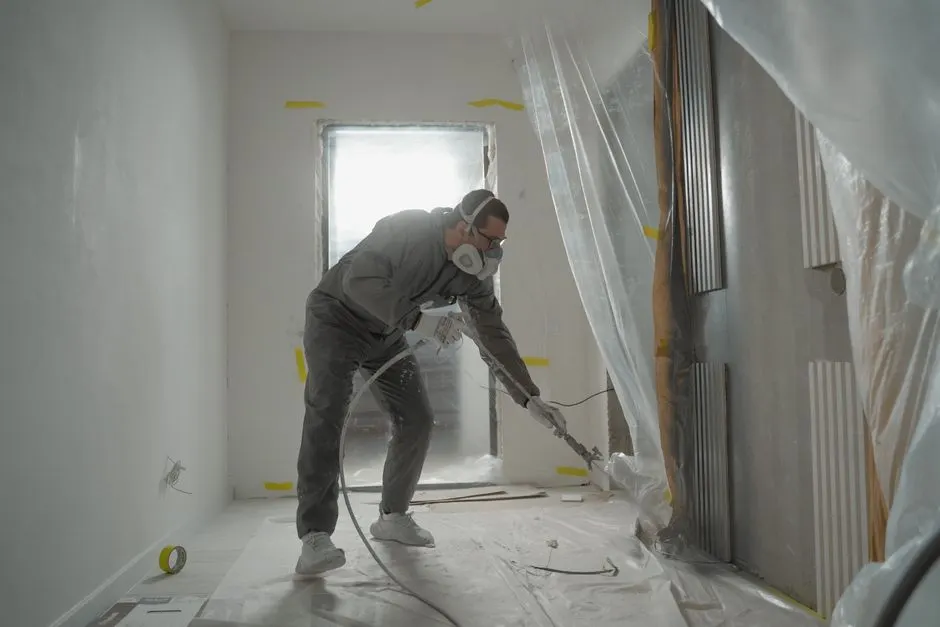
We lay dust sheets across the landing and stairs, seal the loft hatch with a zip barrier and set up the dust extraction unit so nothing escapes into the house. Our technicians wear full PPE respirator kit because isocyanate dust is not something to breathe in.
Foam extraction
Using oscillating multi-tools and spray foam cutting tools, we slice the foam away from the rafters in sections. A dry ice blasting machine handles the thin adhesive residue left behind on timber. A typical three-bedroom semi takes one to two days.
Timber inspection
Once the foam is out we inspect every rafter and truss for structural timber damage, treat any affected sections with timber treatments and log the findings. If we find rot, we tell you exactly what needs replacing before we go any further.
Clearance and report
We vacuum the void, bag and remove all waste, then hand you a removal report with photos, moisture readings and a compliance note referencing BBA approved methods. That document is what your lender or buyer's surveyor will want to see.
Tools & methods
Tools and methods we use
Purpose-built equipment, used by trained technicians, so the job is done accurately the first time.
Oscillating multi-tool
Used to slice foam away from rafters and trusses in controlled passes. The fine blade lets us cut close to timber without gouging the surface, which matters on older London roof structures.
Reciprocating saw
Cuts through thick closed cell spray foam in blocks so it can be lifted out. We use it on dense foam where hand tools would take far too long, always with a dust extraction unit running alongside.
Industrial vacuum and dust extraction unit
Pulls foam debris and isocyanate dust out of the loft through a sealed hose. The extraction unit runs throughout the job so nothing escapes into the rest of your house.
Dry ice blasting machine
Removes thin adhesive residue from rafters without abrading the timber. It is the finishing pass on lofts where foam has bonded hard, especially on dry, brittle trusses in older properties.
Thermal imaging camera
Maps cold spots and hidden moisture in the roof structure before and after removal. It shows us where foam coverage is incomplete and where damp is still sitting after extraction.
Moisture meter
Logs timber moisture readings before, during and after the job. Those readings go into the removal report and are what lenders and surveyors rely on to confirm the loft is drying out.
PPE respirator kit
Every technician wears full respiratory protection because isocyanate and polyol resin dust is hazardous. We also seal the loft hatch with a zip barrier before work starts.
Use cases
When to book Loft Spray Foam Removal
These examples show how the service framework adapts rather than forcing every call through one repair.
Hackney loft made usable again
A landlord's loft in Hackney was unusable from May to September, with summer temperatures hitting 41C. The foam was open cell but applied in three thick layers, and the loft hatch was too small for standard extraction kit. → We widened the hatch, extracted the foam in sections over two days and fitted a vapour barrier with new batts. Summer loft temperatures now peak around 27C, and the space is back in use for storage.
Bromley remortgage cleared in a week
A homeowner in Bromley was remortgaging and the lender flagged spray foam across a 28 square metre loft. Foam was bonded hard to the rafters with visible overspray on cabling, and the valuation had been declined twice. → We cut the foam out over two days, freed the cabling without damage and issued a full removal report with photos and moisture readings. The remortgage completed the following week with no further lender queries.
Problems we solve
Problems our London spray foam removal fixes
Spray foam causes a predictable set of problems in London housing, and most of them get worse the longer the foam stays in. Here are the ones we see most often and what we do about them.
Mortgage refusal due to spray foam
We remove the foam, inspect the timber and issue a removal report with dated photos and moisture readings. That report is what your buyer's lender needs to release the funds, and we prioritise jobs with a completion date attached.
Loft condensation and roof rot from trapped moisture
We cut the foam out in sections, restore airflow through the roof void and treat any affected timber. Moisture readings are logged before and after so you can see the rafters drying out over the following weeks.
Overheating in summer and unusable loft space
Once the foam is out we can fit breathable insulation batts and a vapour barrier that keep heat in during winter without overheating the loft in summer. Customers in Ealing and Brent got usable storage back within a week.
Spray foam overspray on cables and pipework
We carefully cut around cables, pipework and junction boxes, freeing them without damage. Where foam has bonded to services, we use hand tools and dry ice blasting rather than aggressive methods so nothing gets cut that should not be.
Pricing process
What Loft Spray Foam Removal costs
1,200 - 3,500 GBP depending on scope
Foam type
Closed cell spray foam is dense and bonded hard to timber, so it takes longer to cut out than open cell. Expect closed cell jobs to sit at the upper end of the range, sometimes 30 to 40 percent more than an equivalent open cell loft.
Coverage in square metres
We price from measured coverage rather than bedroom count. A 20 square metre loft with full rafter coverage costs less than a 35 square metre loft with foam across the floor and roof slope, even if both are three-bedroom houses.
Access and hatch size
A standard loft hatch is fine. Where the hatch is undersized or the loft is only reachable through a bedroom cupboard, we add time for setting up extraction hoses and protecting the route through your home.
How much does loft spray foam removal cost in London?
Typical 2026 pricing in London runs from 1,200 to 3,500 pounds for a standard loft, depending on foam thickness, coverage and access. Closed cell foam takes longer to cut out than open cell, and lofts with limited hatch access add labour. We quote from photos or a free survey, and the figure we give you is the figure you pay.
Do you offer loft insulation removal in London Greater?
Yes. We cover all 32 London boroughs plus the City, from Croydon and Bromley in the south to Enfield and Barnet in the north. We also remove old mineral wool batts, contaminated insulation and foam overspray at the same time as the spray foam, so you only pay for one visit.
Is loft spray foam removal covered by insurance in London?
Usually not. Most home insurance policies exclude spray foam because it was often installed without building control sign-off. Some policies cover resulting damage such as roof rot if you can show the foam caused it. We provide a full photographic report you can submit with a claim, and we have supported successful claims in Southwark and Lewisham.
How long does loft spray foam extraction take in London?
A typical three-bedroom terrace takes one to two working days for extraction, plus half a day for clearance and the final report. Larger detached lofts in Hillingdon or Barnet can take three days. We confirm the schedule when we quote, and we do not leave a job half-finished overnight.
Related services
Related Services
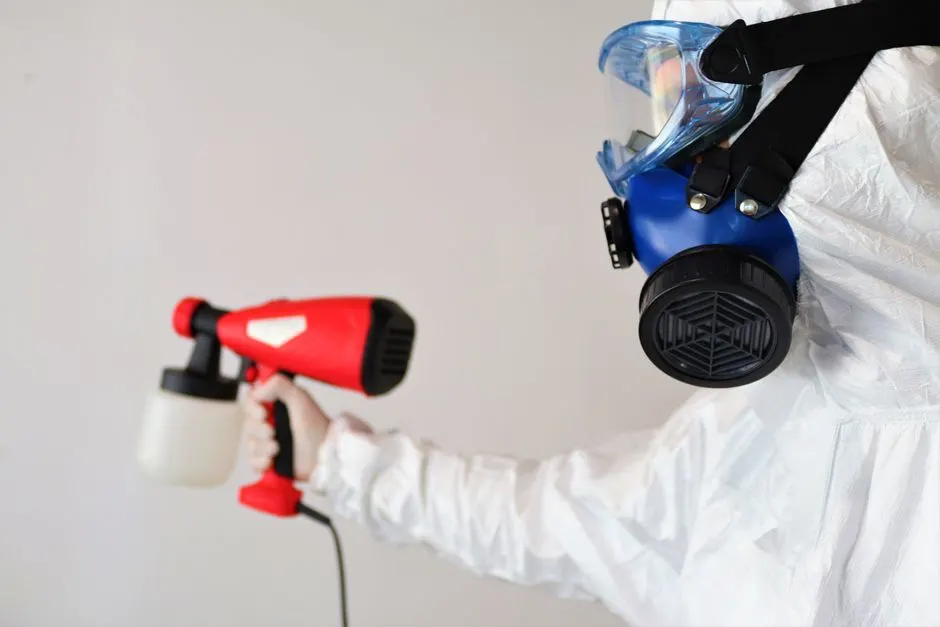
Spray Foam Removal near me
If your postcode is anywhere inside the M25, our spray foam removal near me service covers loft, roof and cavity foam in one visit. We book London jobs within 48 hours of your survey and confirm the slot by text.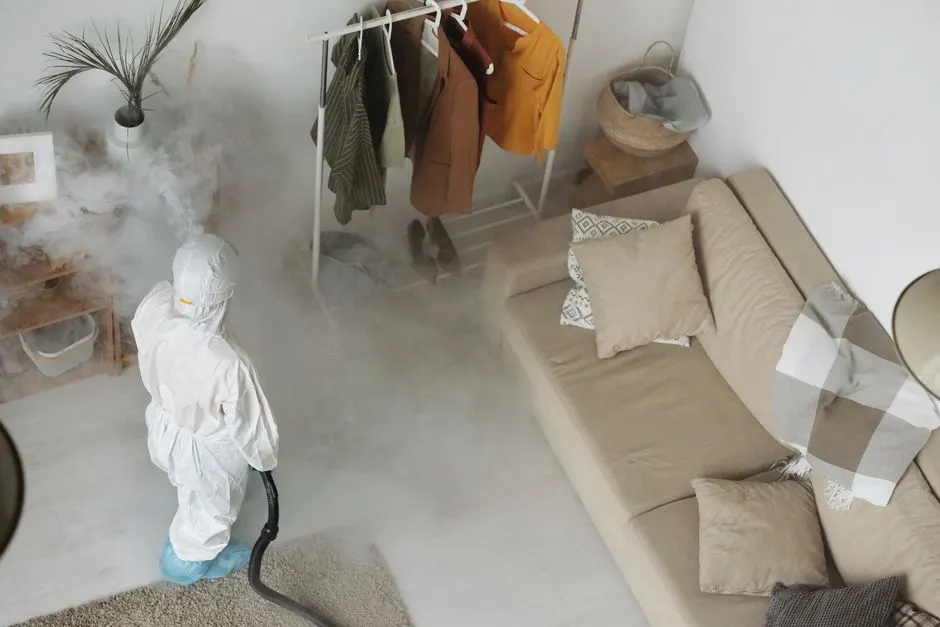
Same day Spray Foam Removal
When a mortgage deadline or a surveyor visit is looming, our same day spray foam removal slots get a technician to your London property fast. We carry cutting tools and extraction kit on every van, so a small loft can be cleared in a single visit.
24/7 Spray Foam Removal
Water ingress after a storm or a collapsed ceiling from saturated foam needs a fast response. Our 24/7 spray foam removal line covers Greater London for emergency make-safe work, with full extraction booked for the next working day.Ready when you are
Book Loft Spray Foam Removal in London today
Send us photos of your loft and we will price the job the same day, with no obligation. We are SafeContractor approved, fully insured and we have been removing spray foam across Greater London since 2022. Call 02080885347 and speak to someone who has actually done the work.
Talk with the local team
Request Loft Spray Foam Removal
Call us on 020 8088 5347 or email info@uksprayfoamauthority.com and we will book your free survey. We answer the phone from 8am to 6pm Monday to Friday, and our 24/7 line covers emergencies. Most London surveys happen within 48 hours of your call, and you get a fixed written price the same day.