Spray foam removal in Camden: a local homeowner's guide
Spray foam removal in Camden costs £1,800-£6,500 in 2026. Here's how local homeowners spot bad foam, handle lenders, and get it extracted properly.
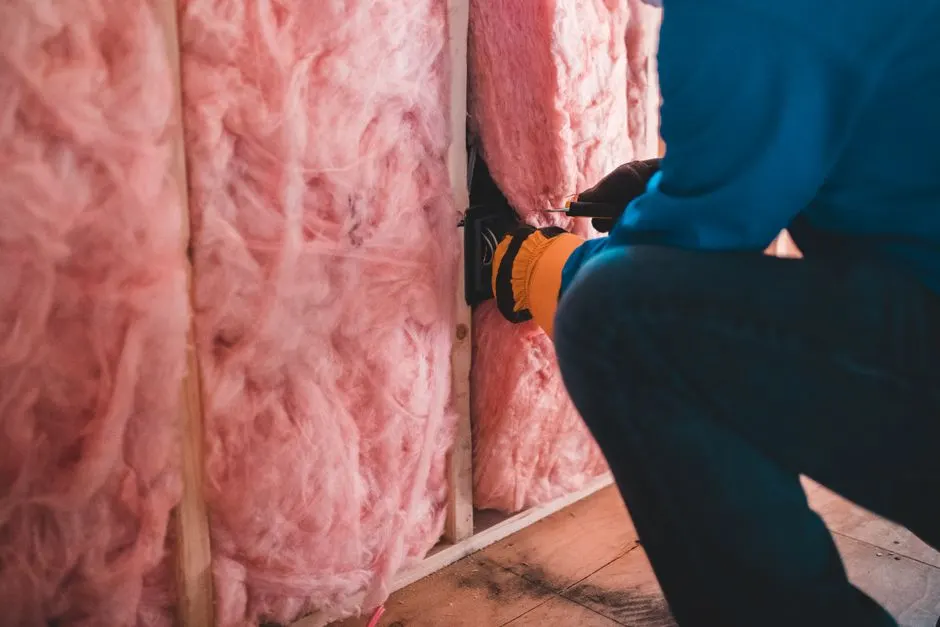
Spray foam removal in Camden is the process of cutting out and extracting cured polyurethane foam from lofts, roofs, cavity walls and floor voids, then restoring ventilation and insulation to Building Regulations standards. It becomes necessary when foam was applied to the underside of roof tiles or between rafters, trapping moisture and blocking the airflow that a London roof needs to stay dry. If you have bought a Camden home in the last few years, or you are trying to sell one, this guide covers what the work involves, what it costs in 2026, and how to avoid the mistakes that turn a £2,000 job into a £15,000 one.
We work across Camden and the surrounding boroughs every week, and the pattern is always the same: foam was sold as a cheap way to stop draughts, and ten years later it is the reason a mortgage lender will not release funds. Below we cover the warning signs, the 2026 price ranges, the extraction methods we use, and the questions we get asked most often by homeowners in NW1, NW3, NW5 and NW6.
Why spray foam becomes a problem in Camden homes
Spray foam becomes a problem in Camden homes because most of the housing stock was built before 1920, and pre-war roofs were designed to breathe. Camden has one of the highest concentrations of Victorian and Edwardian terraces in Greater London, plus a large number of 1960s and 70s ex-council properties in Gospel Oak and Kilburn. Both types rely on air moving through the loft space to carry moisture away from the timbers.
When closed cell foam is sprayed directly onto the underside of a slate or clay tile roof, it seals that route. Moisture from cooking, showers and drying laundry rises into the loft, hits the cold foam, and condenses. Within three to five years you get damp rafters, black mould on the sarking felt, and in bad cases, rot in the purlins. We have opened lofts in Kentish Town where the timber was soft enough to push a screwdriver into by hand.
There is a second, faster problem: lenders. Since 2021, most major UK mortgage providers have flagged spray foam insulation as a valuation issue unless it can be proven the roof is still ventilated. If you are buying or remortgaging a Camden property, a surveyor spotting foam on the rafters will usually trigger a retention - the lender holds back part of the loan until the foam is gone and the roof has been signed off.
If you are at that stage, our mortgage lender spray foam removal London service is built around the paperwork as much as the extraction - we provide the ventilation and insulation certificate your lender's valuer needs.
How much does spray foam removal cost in Camden?
Typical 2026 pricing for spray foam removal in Camden runs from £1,800 for a small open-cell loft to £6,500 for a full closed-cell roof extraction with new insulation and ventilation reinstated. The final figure depends on three things: how much foam there is, what it was sprayed onto, and how hard it is to reach.
- Open cell foam, loft floor only (up to 40m²): £1,800-£2,800. This is the cheapest scenario because open cell foam is soft and comes out with hand tools and a vacuum.
- Closed cell foam on rafters (40-70m²): £3,200-£5,000. Closed cell is dense, bonded hard, and often needs mechanical cutting.
- Foam on the underside of tiles or sarking felt: £4,500-£6,500. This is the worst case and usually means replacing felt and battens as well.
- Cavity wall foam extraction: £1,400-£3,000 depending on wall area and access.
Those prices include removal, bagging, disposal, and reinstating mineral wool or rigid board insulation to current U-value requirements. They do not include scaffolding, which in Camden typically adds £900-£1,800 because of parking restrictions and narrow terrace access. If your property is on a red route or a conservation area street, expect the higher end.
One thing worth knowing: we quote from photos and a short video call in most cases. If you send us loft pictures showing the foam depth and the roof structure, we can usually give you a firm number the same day rather than a range.
How spray foam removal works, step by step
Spray foam removal works by cutting the foam away from the structure without damaging the timbers or the roof covering, then restoring the airflow the building was designed around. For most Camden lofts we follow the same sequence.
- Survey and assessment. We check foam type, depth, coverage, timber condition and whether the roof void still has any ventilation path. We also photograph everything for your records and your lender.
- Containment. Loft hatches get sealed with polythene, and we run negative air pressure with HEPA filtration so dust and foam particles do not drift into your living space.
- Extraction. Open cell foam is cut and pulled by hand, then vacuumed. Closed cell foam is sliced into blocks with reciprocating saws or removed by dry ice blasting, which freezes the foam so it releases from the timber without tearing the wood fibres.
- Timber inspection. Once the foam is off, we check every rafter and purlin for rot or beetle damage and treat where needed.
- Ventilation reinstatement. We fit eaves vents, tile vents or a breathable membrane depending on the roof type, so moisture has somewhere to go.
- Re-insulation. New insulation goes in at the correct depth and U-value, laid so it does not block the ventilation path we just created.
- Certification. You get a completion pack with before-and-after photos, method statement and a ventilation certificate.
For lofts where the foam is thick and tightly bonded, we often use dry ice blasting spray foam removal London because it is faster and leaves the timber cleaner than sawing. For cavity walls, we use a different approach entirely - see our cavity wall extraction page for that method.
How long does spray foam removal take in Camden?
A typical Camden loft takes one to three days to clear, with larger closed-cell roofs running to four or five days. A single loft floor of open cell foam under 40m² is usually a one-day job. A full rafter-level closed cell removal on a three-bed Victorian terrace is two to three days. If the foam is bonded to the sarking felt and the felt needs replacing, add another day or two.
Cavity wall extraction is quicker per square metre - most Camden terraces are done in a day - but it depends on how many injection holes were drilled originally and whether the cavities are clear of debris.
We schedule most Camden jobs within five to ten working days of acceptance, and we can often bring that forward if your lender has set a deadline. If you need the work done before a specific valuation date, tell us at the quote stage and we will work around it.
Is spray foam removal in Camden covered by insurance?
Spray foam removal is rarely covered by standard home insurance, because insurers treat it as a maintenance or improvement issue rather than a sudden event. Buildings policies typically respond to storm damage, escape of water and subsidence - not to condensation caused by insulation that was installed incorrectly years ago.
There are two exceptions worth checking. First, if the foam was installed by a contractor who is still trading and you can show they breached the specification or mis-sold the product, you may have a claim against them rather than your insurer. Second, if the foam has caused rot that a surveyor classifies as structural, some policies will contribute to the timber repair even if they will not pay for the foam removal itself.
In practice, most Camden homeowners fund the removal themselves and treat it as a cost of getting the mortgage or the sale through. If you are mid-purchase, it is sometimes possible to negotiate the price down by the cost of removal - we provide written quotes specifically for that purpose.
Common mistakes Camden homeowners make
The most expensive mistake is trying to remove closed cell foam with a scraper and a hammer. It does not work, and the damage to rafters and felt usually costs more than the original removal would have. We have seen homeowners in Camden spend a weekend on it and end up with a £4,000 repair bill on top of the extraction.
Other frequent errors:
- Assuming all foam is bad. Open cell foam in a ventilated loft floor position is often fine and can stay. It is closed cell foam on the roof underside that causes the trouble.
- Removing the foam and not reinstating ventilation. If you take the foam out and leave the roof sealed, you will get the same condensation problem within two winters.
- Using a general builder instead of a specialist. Foam removal needs HEPA extraction, correct disposal and a ventilation certificate. A general builder can do the demolition but rarely provides the paperwork a lender will accept.
- Skipping the survey. Without knowing whether the foam is open or closed cell, you cannot price the job or decide whether it needs to come out at all.
Before you commit to anything, it is worth booking an insulation assessment London so you know exactly what you are dealing with. It costs far less than removing foam that did not need to come out.
When to call a professional
Call a professional when the foam is closed cell, when it is bonded to the roof structure, or when a lender or buyer has raised it as a condition of sale. Those three situations almost always need specialist extraction, certification and disposal.
You should also call us if you can see damp patches on rafters, mould on the felt, or if the loft smells musty every winter. Those are signs the foam is already trapping moisture, and the longer it stays, the more timber you will end up replacing.
We handle residential spray foam removal London across Camden and the neighbouring boroughs, from single lofts to full terrace roofs. If you are unsure whether your foam needs to come out, send us a few photos and we will tell you honestly - sometimes the answer is that it can stay.
Frequently Asked Questions
How much does spray foam removal cost in Camden?
Expect £1,800-£2,800 for a small open-cell loft and £3,200-£6,500 for closed-cell foam on rafters or tiles, as of 2026. Scaffolding, if needed, adds £900-£1,800. Cavity wall extraction typically runs £1,400-£3,000.
Who is the best spray foam removal company in Camden Greater?
The right company is the one that surveys first, uses HEPA extraction, reinstates ventilation, and issues a certificate your lender accepts. Ask for before-and-after photos from a Camden job and a written method statement before you book.
Is spray foam removal in Camden covered by insurance?
Usually not. Standard buildings insurance treats it as a maintenance issue, not a sudden event. Cover is more likely if the foam caused structural rot, or if you can claim against the original installer.
How long does spray foam removal take in Camden?
One to three days for most lofts, and four to five days for large closed-cell roofs where felt and battens need replacing. Cavity wall extraction is usually a single day.
Can I remove spray foam myself?
Only open cell foam in a well-ventilated loft floor position is realistic for DIY. Closed cell foam bonded to rafters needs mechanical cutting, dust control and correct disposal - and you will still need a ventilation certificate for your lender.
Get help with Spray foam removal in London
If you are dealing with foam in a Camden loft, a lender retention, or a surveyor's report you do not fully understand, we can survey it, quote it and clear it. We cover Camden and the whole of Greater London, and we provide the certification your mortgage company needs.
Call UK Spray Foam Authority on 020 8088 5347 and we will arrange a survey at your property.