How to prepare your loft for spray foam removal in winter
Preparing your loft for spray foam removal in winter London means clearing the deck, protecting the stairwell and keeping the space above 5°C. Here's how.
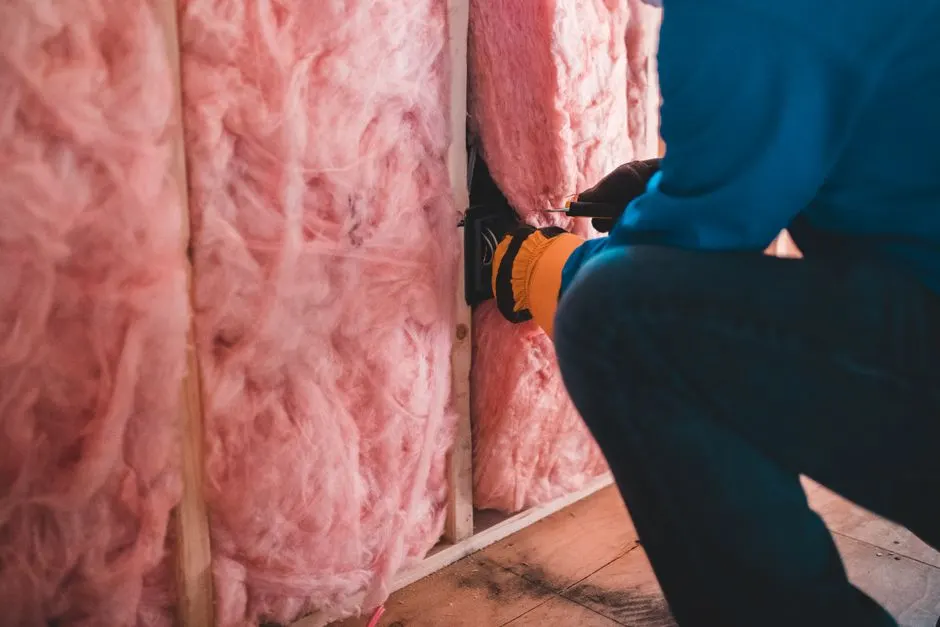
Preparing your loft for spray foam removal in winter in London comes down to three things: clear the deck, protect the stairwell, and keep the loft above 5°C. If you do those three, the removal crew can start the moment they arrive and you avoid the two most common winter delays - frozen extraction hoses and a blocked access hatch.
We have run loft spray foam removal in winter London jobs from Barnet to Bromley, and the difference between a one-day job and a two-day job is almost always preparation. Below is exactly what we ask homeowners to do before we pull up outside.
Why winter is a good time to remove spray foam in London
Winter is actually one of the best windows for spray foam removal in London because lofts are cold, dry and free of the humidity that slows extraction in July and August. Cold air keeps the foam brittle, which means it fractures cleanly off rafters instead of smearing.
There is also a practical reason: mortgage lenders and surveyors flag spray foam most often between October and February, when buyers are trying to complete before the new tax year. If you have had a valuation report come back with a foam note, winter is when you want it gone.
We also see fewer wasp nests, less loft condensation and easier access to tight eaves in the colder months. The one trade-off is temperature - and that is manageable.
What temperature is needed for spray foam removal in London?
Spray foam removal in London needs the loft space to stay above 5°C for the duration of the job, and ideally between 8°C and 15°C. Below 5°C, closed cell foam becomes too rigid and shatters into small fragments that are harder to contain, and extraction hoses stiffen.
In practice, a London loft in January sits around 2°C to 6°C at 7am. We bring thermostatic heaters and run them for the first hour while we set up containment. By the time extraction starts, the deck is usually sitting at 10°C to 12°C.
If your loft has no power, tell us at booking. We carry a 3.5kVA generator and a 110V transformer, which adds roughly 45 minutes to setup but keeps the job on schedule.
What about the foam itself?
Open cell foam stays workable down to about 0°C. Closed cell foam is the one that needs the warmer envelope. If you have a mix of both - common in 1990s London lofts - we sequence the closed cell areas first while the heaters are at full output.
Step-by-step: preparing your loft before the crew arrives
Loft preparation for spray foam removal London homeowners can do themselves takes about 90 minutes and saves the crew half a day. Work through this list the evening before.
- Clear the loft floor completely. Boxes, Christmas decorations, old carpet, spare tiles - everything comes down. We need a bare deck to lay containment sheeting.
- Remove loose insulation. If you have mineral wool rolls sitting on top of the spray foam, bag them. We can dispose of them, but separating them first speeds up the job.
- Board over or tape any loft hatch gaps. A 5mm gap around the hatch pulls cold air across the deck and drops the temperature by 2°C to 3°C.
- Clear the stairwell and landing. We run 100mm extraction ducting down to the van. Anything on the landing is a trip hazard.
- Move cars off the drive. The extraction unit needs to sit within 15 metres of the front door.
- Check loft lighting. Replace dead bulbs. We bring our own LED work lights, but existing fittings help.
- Note any asbestos suspect materials. If your loft has old pipe lagging or cement board that you think might contain asbestos, tell us at booking. We arrange a survey before the removal date.
If you are unsure whether your foam is open cell or closed cell, we can carry out an insulation assessment London before the removal date. That tells us the extraction method, the containment spec and the realistic timescale.
How do I prepare my loft for spray foam removal in London Greater?
Preparing a loft for insulation removal London Greater follows the same steps whether you are in a Victorian terrace in Islington or a 1970s semi in Croydon. The differences are access and age of the building.
Older London properties often have narrow loft hatches - 450mm x 600mm is common in Camden and Hackney. If your hatch is under 600mm x 700mm, we may need to remove the hatch frame and refit it. That is a 30-minute job for us, but it means clearing the landing completely.
Newer builds in Tower Hamlets and Greenwich usually have 700mm x 900mm hatches and trussed roofs, which makes access straightforward. The prep is the same: clear deck, protect stairwell, keep the temperature up.
If you are in a flat with a communal loft, you will need freeholder permission before we start. We can provide a method statement and insurance details for the freeholder - just ask when you book.
Common mistakes to avoid in cold weather
The most common winter mistake is leaving the loft hatch open overnight before the job. That drops the deck temperature to near outdoor levels and adds an hour of heating time on the morning.
Other mistakes we see regularly:
- Running the heating on full blast. This warms the rooms below but not the loft, and it can cause condensation on cold rafters. Leave the heating on its normal schedule.
- Stacking cleared items in the stairwell. We need that space for ducting. Move everything to a garage, spare room or garden.
- Forgetting the loft light switch. If the switch is at the bottom of the stairs, make sure it works. We need light to set up containment.
- Booking removal before the survey. If the foam is closed cell and 100mm thick, the job takes longer than a thin open cell layer. Get the assessment first.
- Assuming the foam is the only issue. Sometimes the felt, battens or rafters need attention too. We flag that on the day, and we can quote for roof spray foam removal London at the same time if the foam has spread into the roof space.
One more: do not try to remove the foam yourself in winter. Cold foam shatters, and the fragments get into every corner of the loft. We have re-done DIY attempts in Southwark and Lewisham where the homeowner spent a weekend and made the containment job twice as hard.
When to call a professional
Call a professional if the foam covers more than about 10 square metres, if it is closed cell, or if your lender has asked for a certificate of removal. Those three situations are beyond a DIY job, and winter makes them harder.
Our team handles the full removal, containment and disposal. We use HEPA-filtered extraction units, negative air machines and sealed waste bags, so no foam dust ends up in your living space. For lofts where the foam has bonded hard to rafters, we use dry ice blasting spray foam removal London, which lifts the foam without damaging the timber.
We also work directly with mortgage lenders. If your valuation report has flagged the foam, we can provide the documentation your lender needs. That service is covered under mortgage lender spray foam removal London.
If you are not sure whether you need us yet, book a survey. It takes 45 minutes and you get a written report with photographs, foam type, thickness and a fixed price.
Frequently Asked Questions
Can you remove spray foam from a loft in winter in London?
Yes. We remove spray foam in London all winter. The loft needs to stay above 5°C, which we achieve with thermostatic heaters during setup. Most winter jobs run to the same one or two-day schedule as summer jobs.
How do I prepare my loft for spray foam removal in London Greater?
Clear the loft floor, bag loose insulation, clear the stairwell and landing, and move cars off the drive. Check your loft hatch is at least 600mm x 700mm. Tell us at booking if you have no loft power or suspect asbestos.
What temperature is needed for spray foam removal in London?
The loft should be above 5°C, ideally 8°C to 15°C. Below 5°C, closed cell foam shatters and extraction hoses stiffen. We heat the space for the first hour of every winter job to bring it into range.
Is winter a good time for loft spray foam removal in London?
Yes - winter is one of the best times. Cold, dry air makes the foam brittle and easier to extract, and there is less loft humidity. The only extra step is heating the space before we start, which adds about an hour.
How much does spray foam removal cost in London in 2026?
Typical 2026 pricing in London runs from £1,800 to £4,500 for a standard loft, depending on foam type, thickness and access. Closed cell foam and lofts over 40 square metres sit at the upper end. Surveys are fixed-price and include disposal.
Get help with Spray foam removal in London
If your loft is ready and you want it cleared before the coldest weeks hit, our team covers every London borough and we can usually survey within 48 hours. We handle the removal, the containment and the paperwork your lender needs.
Call us on 020 8088 5347 to book a survey or a removal date.